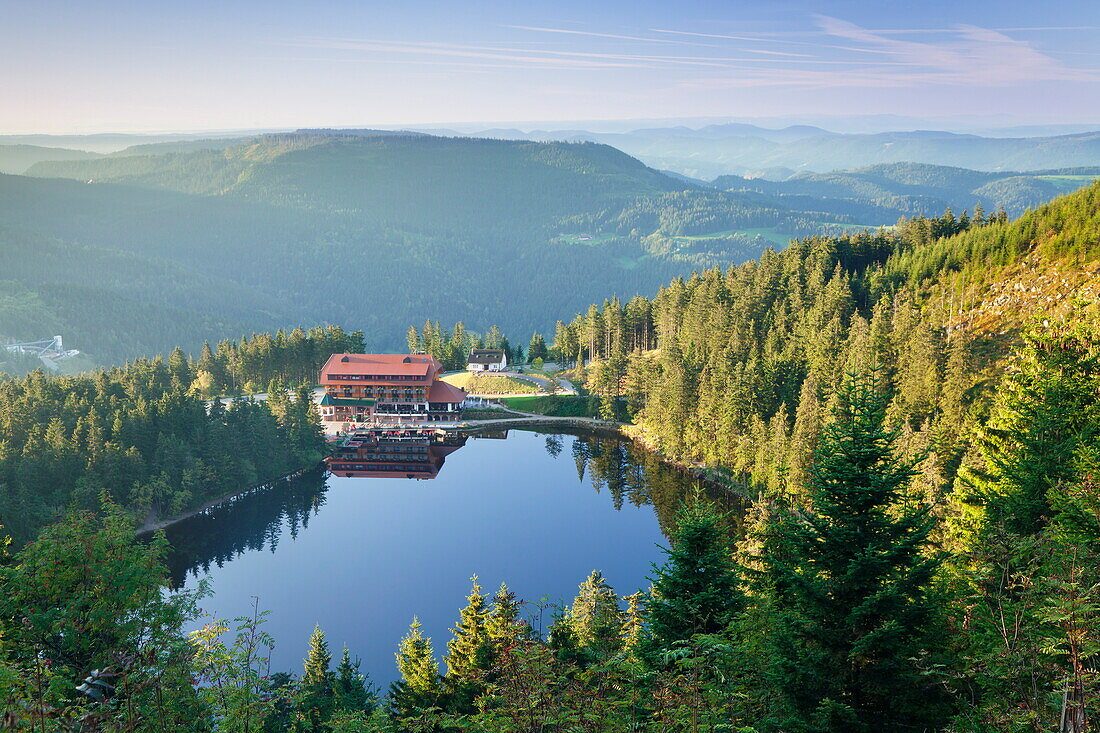
Northern Black Forest
Characterized by dense fir forests and the deep blue waters of lakes like Mummelsee.
Visit the lake at dawn to avoid crowds and see reflections.

The Black Forest stretches across 6,000 square kilometers of southwestern Germany, a landscape where dense coniferous forest meets half-timbered spa towns and open heath. Whether the region earns a place on your itinerary depends on what you value in a destination—and how much time you allocate to explore beyond the postcard villages.
Quick answer
The Black Forest is worth visiting if you prioritize hiking, nature, and cultural immersion over urban sightseeing. The region offers 23,000 kilometers of marked trails, thermal spa towns like Baden-Baden, and traditional craft workshops producing cuckoo clocks and Kirschtorte. Plan at least three days to experience the variety; a single-day excursion limits you to one town or trail system and misses the landscape's depth.
The Black Forest generates 1.8 million overnight stays annually from international visitors, yet it remains one of Germany's most misunderstood destinations. Many travelers arrive expecting a theme park version of Bavarian Alps culture and leave puzzled by the region's quieter, more diffuse character. The Schwarzwald is not a single attraction but a network of valleys, ridges, and settlements spread across Baden-Württemberg, each requiring deliberate planning to access. The region's appeal rests on three pillars: the trail network, the spa tradition, and the artisan villages. Hikers find the Westweg, a 285-kilometer north-south route crossing the entire range, alongside shorter loops like the Feldberg circuit that climbs Germany's highest peak outside the Alps at 1,493 meters. Thermal towns such as Baden-Baden and Titisee offer wellness infrastructure dating to Roman times, while villages like Triberg and Schonach preserve Black Forest clockmaking workshops open to visitors. Free entry to the region means costs accumulate through accommodation, meals, and individual attraction fees rather than a single ticket price. Is the Black Forest worth visiting if your trip to Germany spans only a week? The answer hinges on whether forested highlands and small-town culture justify the transit time from major hubs. Strasbourg sits 60 kilometers west of the central forest; Freiburg serves as the primary gateway from within Germany. Day tours from either city offer a sampled introduction—Triberg's waterfalls, a farmhouse museum, a scenic drive along the Schwarzwald-Hochstrasse—but compress the region's geography into a curated snapshot that smooths over the distances and the pacing. The Schwarzwald rewards slow travel. Multi-day visits allow you to hike a ridge trail at sunrise, spend midday in a spa, and reach a clockmaker's workshop before closing. Single-attraction visits, especially those tethered to a tour bus schedule, capture the landscape's surface but miss the rhythm that defines Black Forest travel. The region is accessible year-round, though winter limits high-elevation trails and summer draws the largest crowds to lake towns like Titisee-Neustadt. Shoulder seasons—late April through June and September through October—balance trail conditions with quieter villages and clearer forest light.
“The Schwarzwald is not a single attraction but a network of valleys, ridges, and settlements spread across Baden-Württemberg, each requiring deliberate planning to access.”
The Black Forest is divided into three distinct zones, each offering unique geographical features and landscapes. Exploring these areas reveals the diverse character of the region, from dense woodlands to open alpine vistas.
Characterized by dense fir forests and the deep blue waters of lakes like Mummelsee.
Visit the lake at dawn to avoid crowds and see reflections.
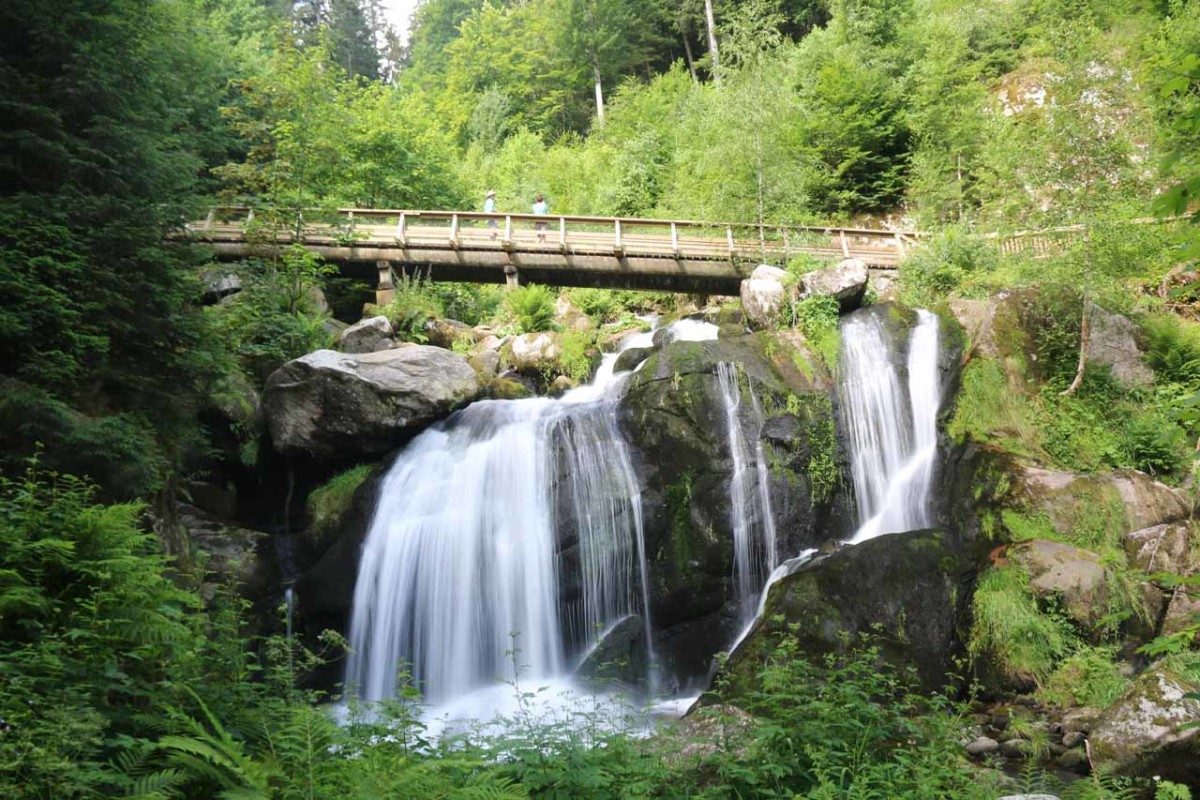
Located in the Central region, these are among the highest waterfalls in Germany.
Use the upper entrance path to view the full cascade drop.
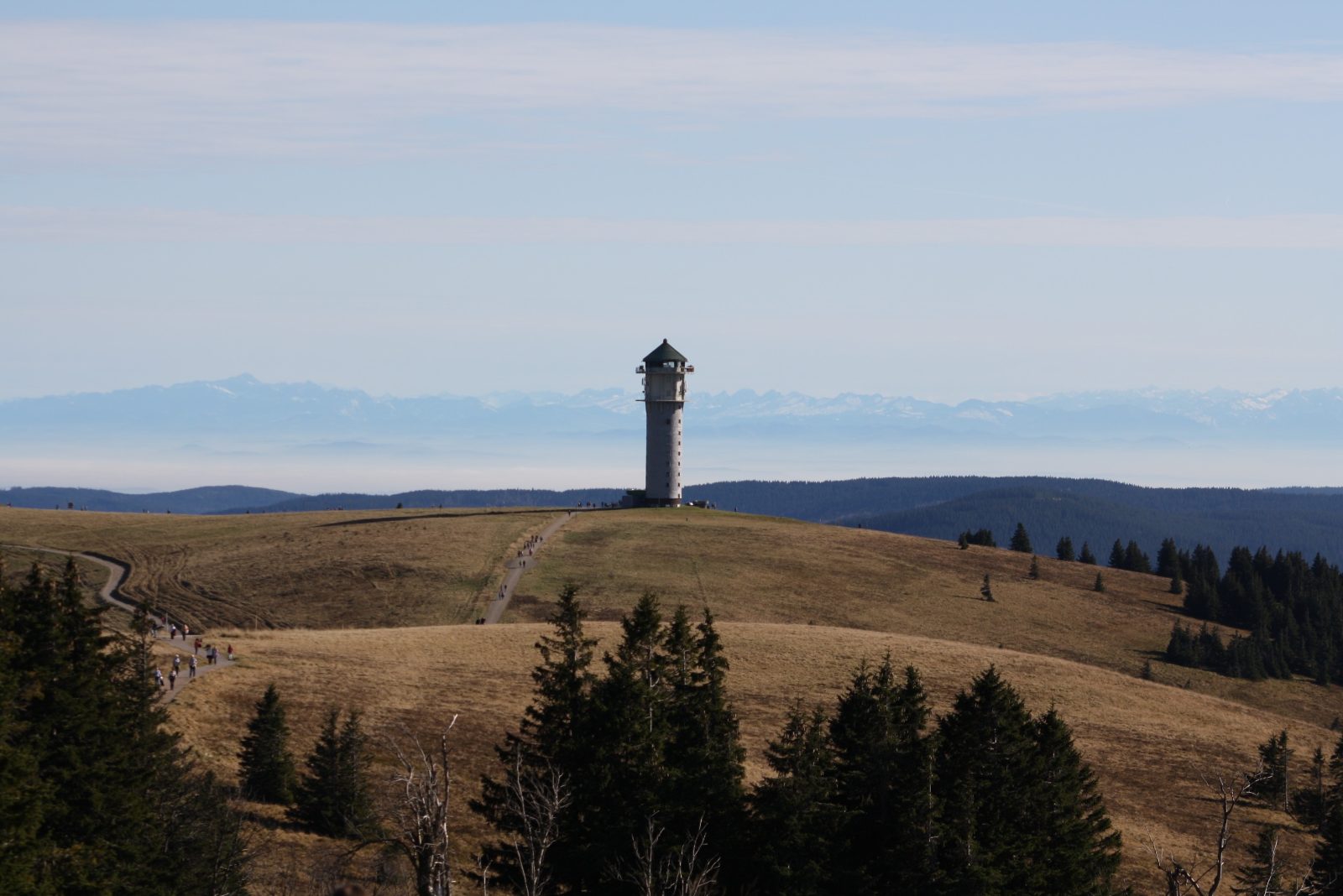
The highest peak in the Southern Black Forest, offering panoramic views of the surrounding highlands.
Walk to the Bismarck monument for the clearest vantage point.
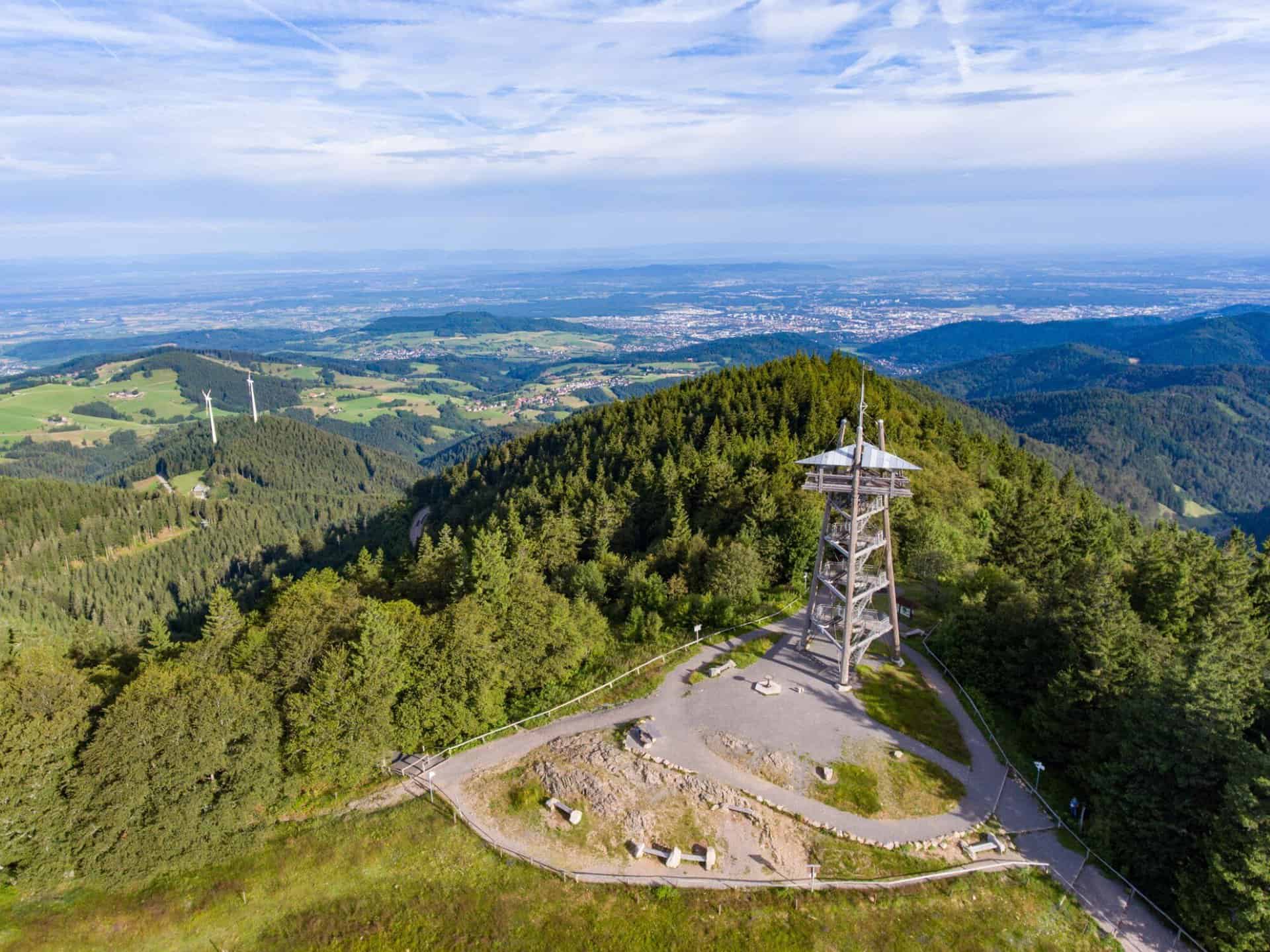
A prominent mountain near Freiburg providing an extensive view of the Rhine Valley.
Look toward the Vosges mountains on the horizon during clear days.
The Black Forest (Schwarzwald) in Baden-Württemberg, Germany, is located immediately east of the French border, making it easily accessible from Strasbourg by rail or car. Travelers can reach the region's foothills in less than an hour, facilitating straightforward regional transit.
TER or SWEG line from Strasbourg Gare Centrale to Offenburg or Kehl
A5 motorway or B28 road toward Baden-Baden or Offenburg
Cross-border regional bus connections from Strasbourg to Kehl
The region is a vast area accessible 24/7; timing depends on specific local attractions. For the most flexibility in navigating the forested terrain, arriving by car provides direct access to remote trailheads and secondary villages not served by rail.
The Black Forest remains accessible year-round, with the optimal period depending on whether your interests lean toward outdoor recreation or seasonal climate preferences. May through September provides the most consistent conditions for hiking and cycling, while December through March defines the window for winter sports.
Mild, 10°C to 18°C
Nature begins to bloom and hiking trails become accessible without peak summer heat.
Warm, 18°C to 25°C
Long daylight hours allow for extended exploration of the region and outdoor activities.
Cool, 10°C to 16°C
Forest foliage changes color, offering a distinct visual contrast to the greenery of summer.
Cold, -2°C to 5°C
Snowfall creates conditions for skiing, snowboarding, and other seasonal snow sports.
Verdict: For a balance of moderate crowds and stable weather, visit on weekday mornings during the shoulder months of May or September.
The Black Forest serves as a central hub for exploring the Upper Rhine region. Its location allows for seamless transitions between German forest landscapes, historic urban centers, and the French border.
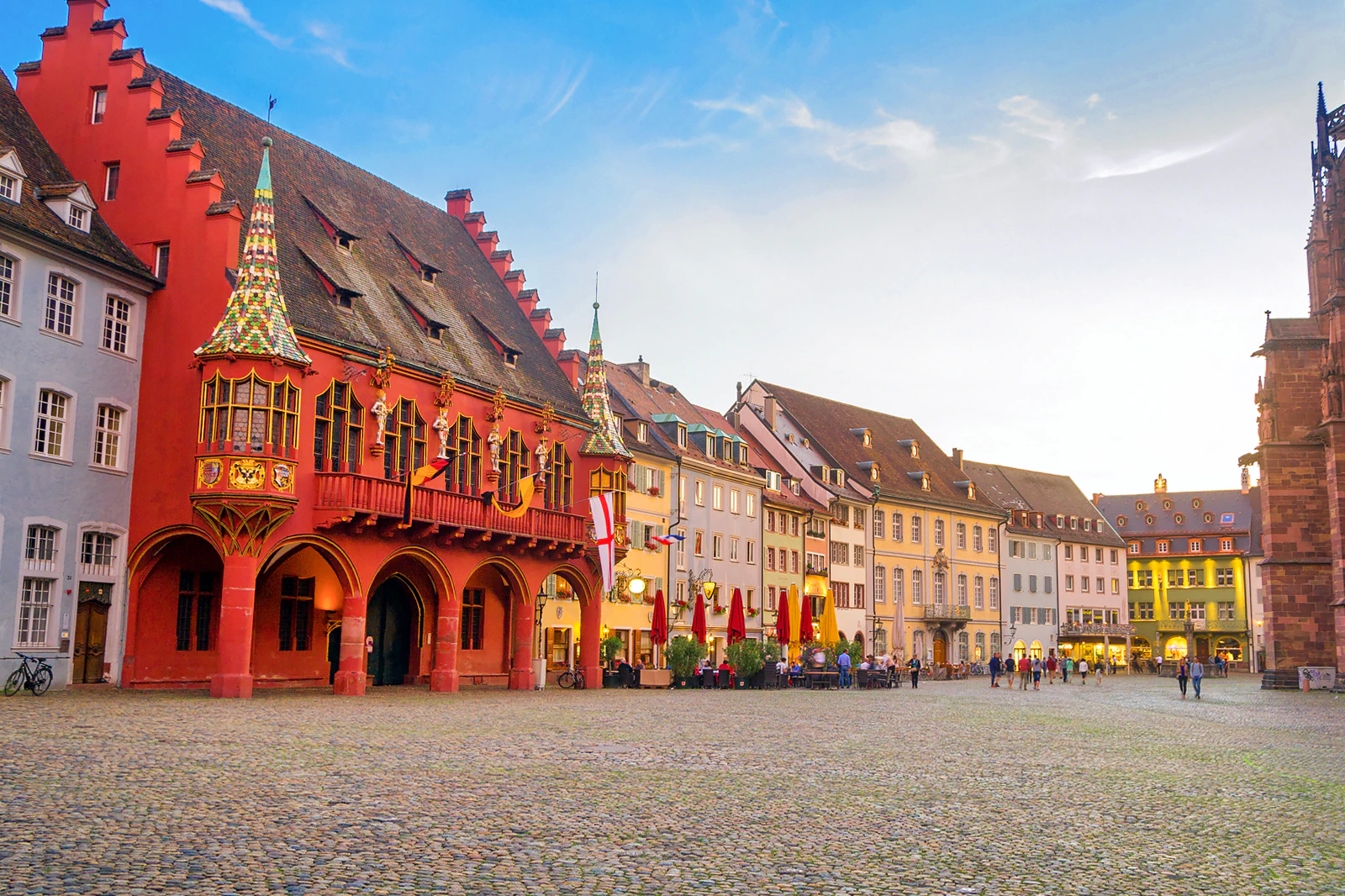
30-45 min drive
Located at the edge of the forest, this city offers a contrast to rural areas with its medieval minster and historic old town. It acts as a primary gateway for travelers moving between the forest and the Rhine valley.
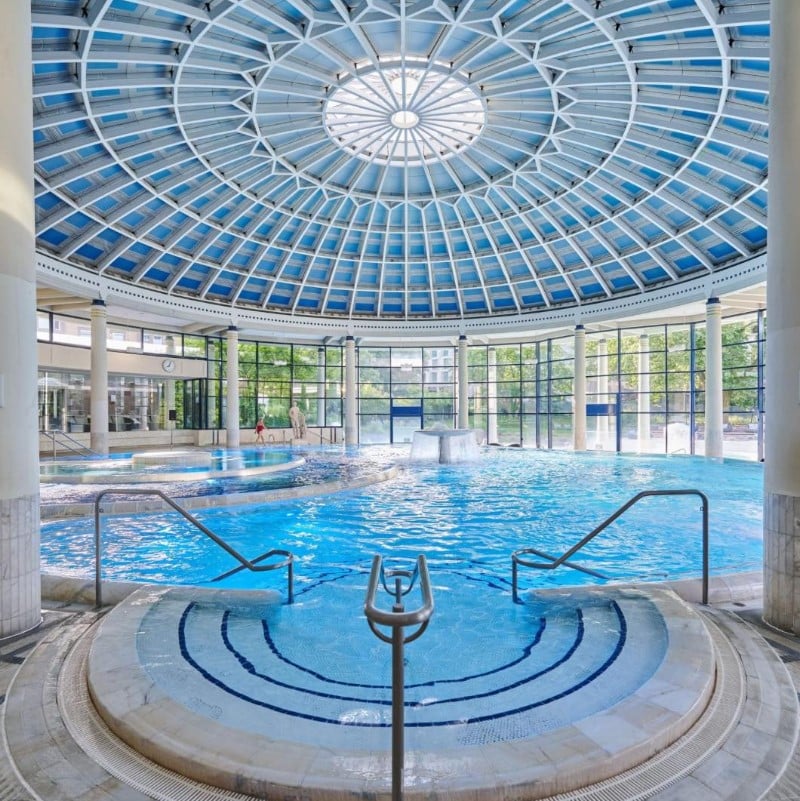
60 min drive
This spa town on the northern fringe of the Black Forest provides a transition from nature to classical European architecture and thermal culture. It is frequently visited by those combining wellness interests with outdoor activities.
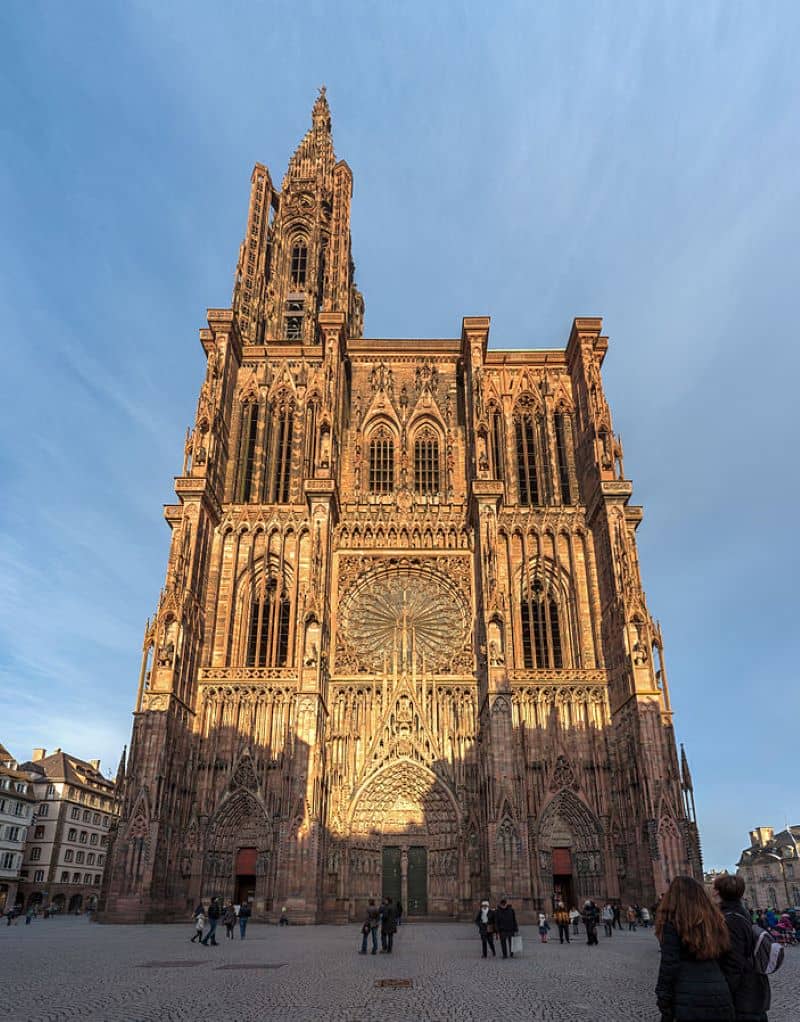
60-90 min drive
Just across the border, this city provides an opportunity to experience Alsatian culture and Gothic architecture. It is the logical starting or ending point for tours originating from France.
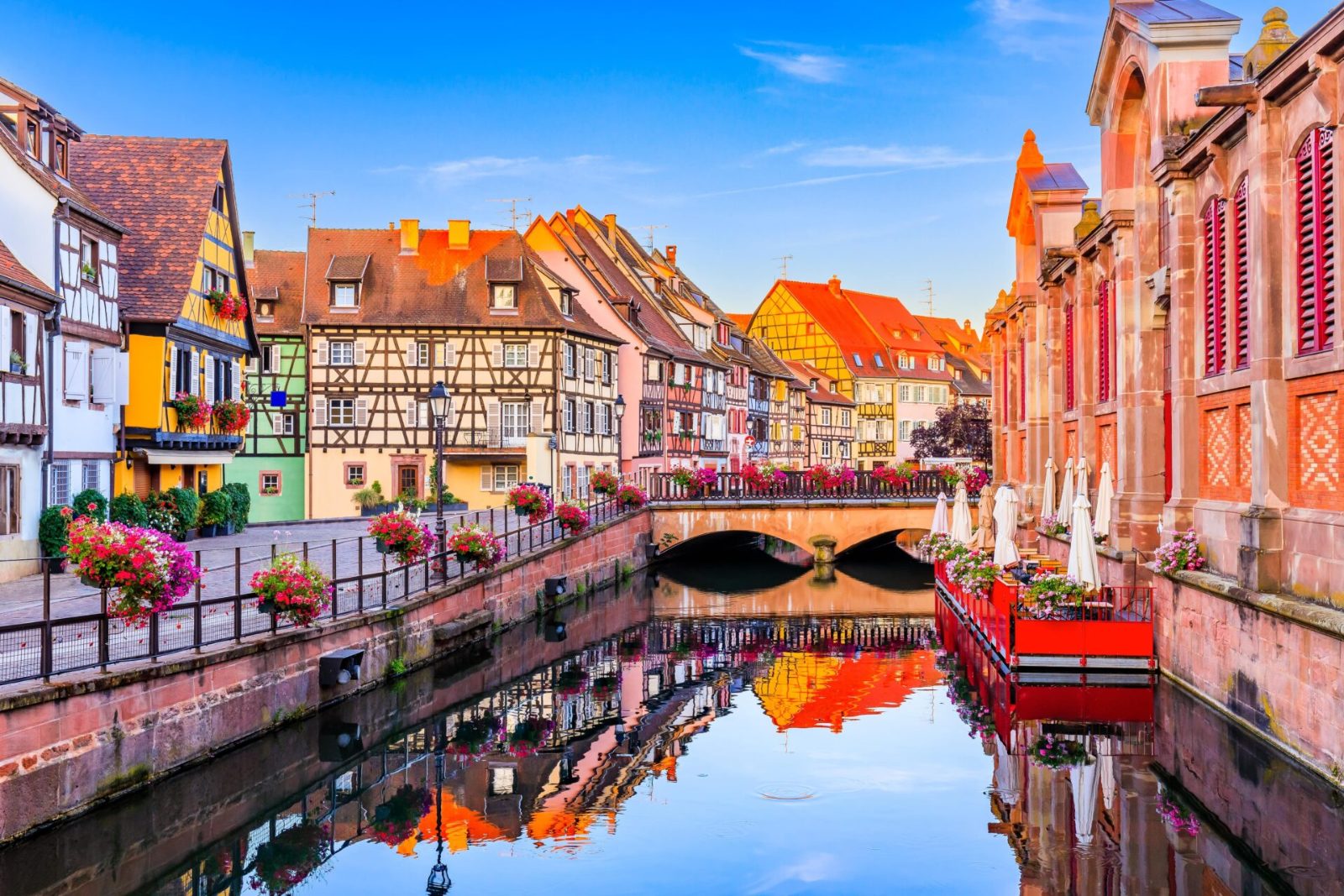
75-90 min drive
Situated in the heart of the Alsace wine region, Colmar offers a distinct cultural experience near the southern Black Forest. It pairs well for visitors interested in historic timber-framed architecture and viticulture.
Everything you need to know about is the black forest worth visiting
Travelers often find that the Schwarzwald region offers a unique blend of dense evergreen canopy, traditional villages, and rolling hills that justify the trip. As an expansive natural destination, it provides a stark, tranquil contrast to the busy urban centers of Europe. Many visitors determine is the black forest worth visiting because of its historical charm and extensive network of hiking trails. The area is famous for its cuckoo clocks, thermal spas, and traditional wooden farmhouses that have defined the local culture for centuries. Entrance to the region itself is 0 EUR, though specific museums or private attractions may charge their own fees. Since the area is vast, most costs are associated with personal transport or local activities rather than regional access. Determining is the black forest worth visiting is often simplified by the region's accessibility from hubs like Strasbourg. Short-duration tours allow guests to experience the scenery and local culture without requiring an extended stay. The Black Forest is open 24/7, meaning you can explore at your own pace whenever the region is accessible. While specific attractions have individual opening hours, the nature of the region allows for flexible planning throughout the year. Many travelers focus on the scenic roads, Triberg waterfalls, or high-altitude viewpoints to confirm why the area holds such appeal. These landmarks represent the core aesthetic of the German countryside and offer authentic photo opportunities. The most common mistake is attempting to see the entire region in a single day without a set itinerary. Because the area is vast, focusing on a few key sights or a guided tour helps ensure a more structured and rewarding experience.